


CSR strategy
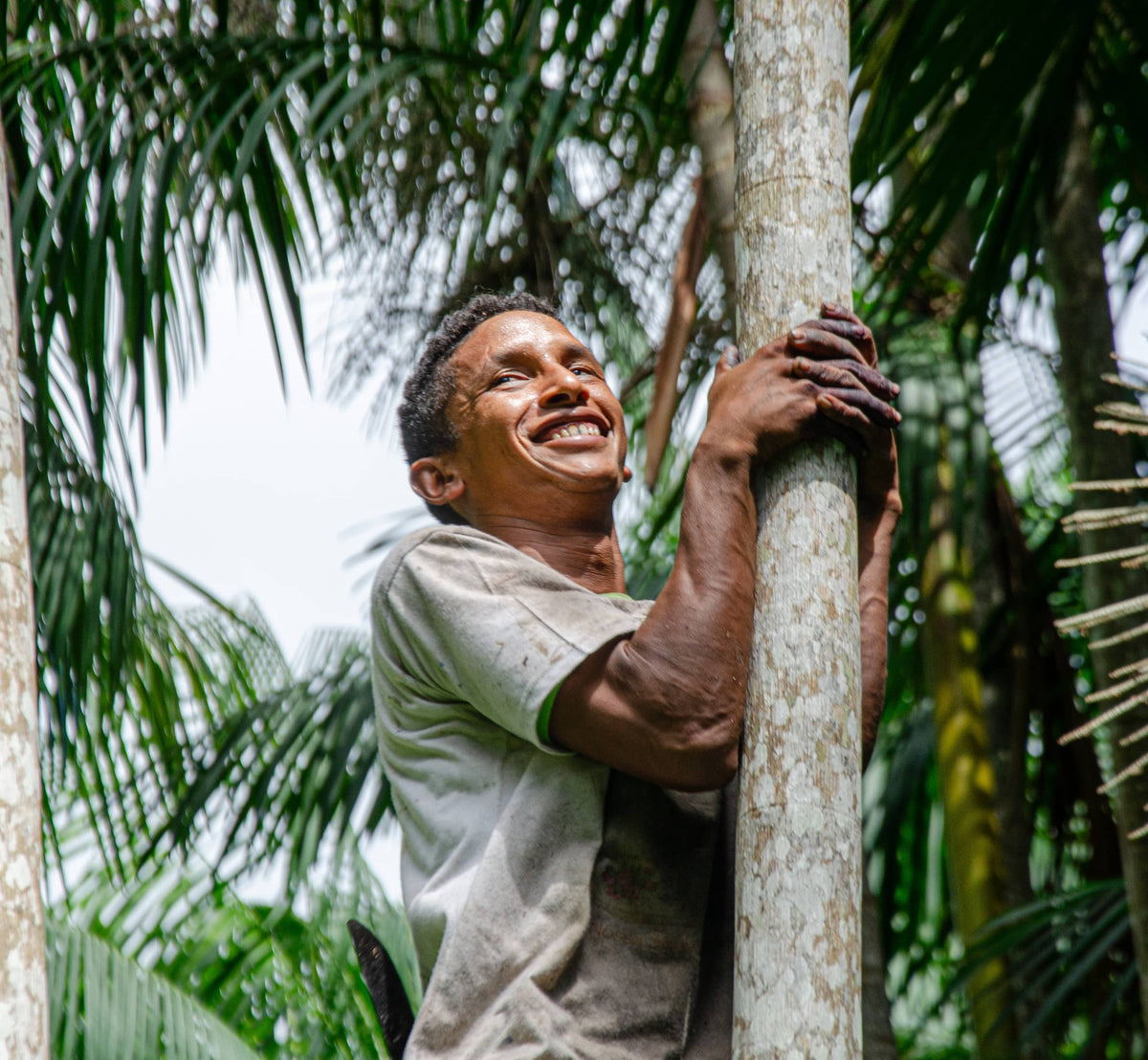
Nossa! was founded in 2012 through the meeting of an academic project and a real-world initiative in the Amazon. At that time, Damien Binois was writing a dissertation on the açaí industry in Brazil. He discovered that açaí could sustainably transform a region while helping preserve the Amazon rainforest.
This realization gave rise to Nossa!: a desire to promote açaí differently by building an industry that combines product performance, positive impact, and respect for its regions of origin.
Responsible sourcing in the Amazon rainforest
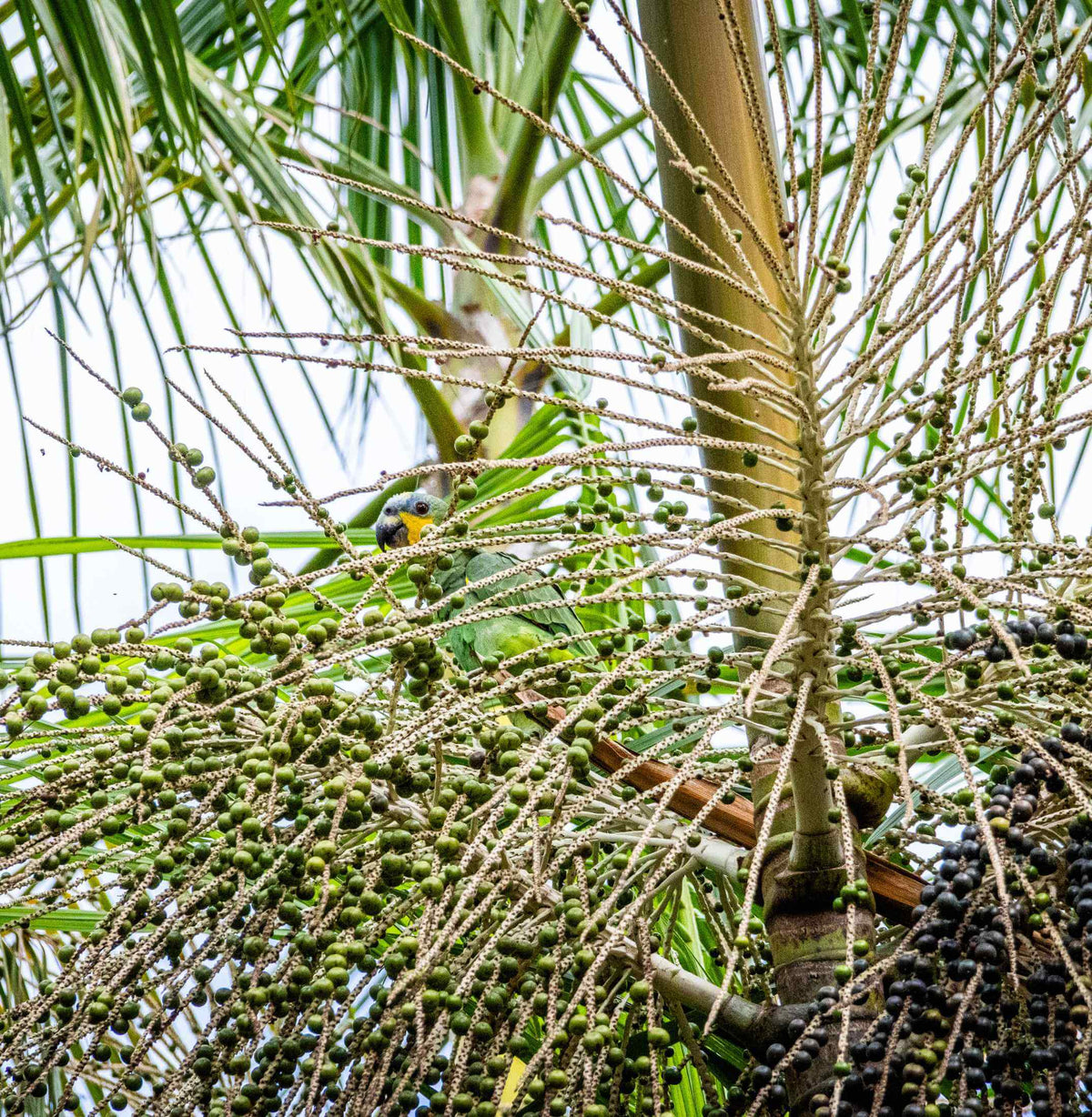
Our responsible sourcing is based on a simple conviction: the quality of our açaí depends directly on how it is harvested and handled throughout the supply chain.
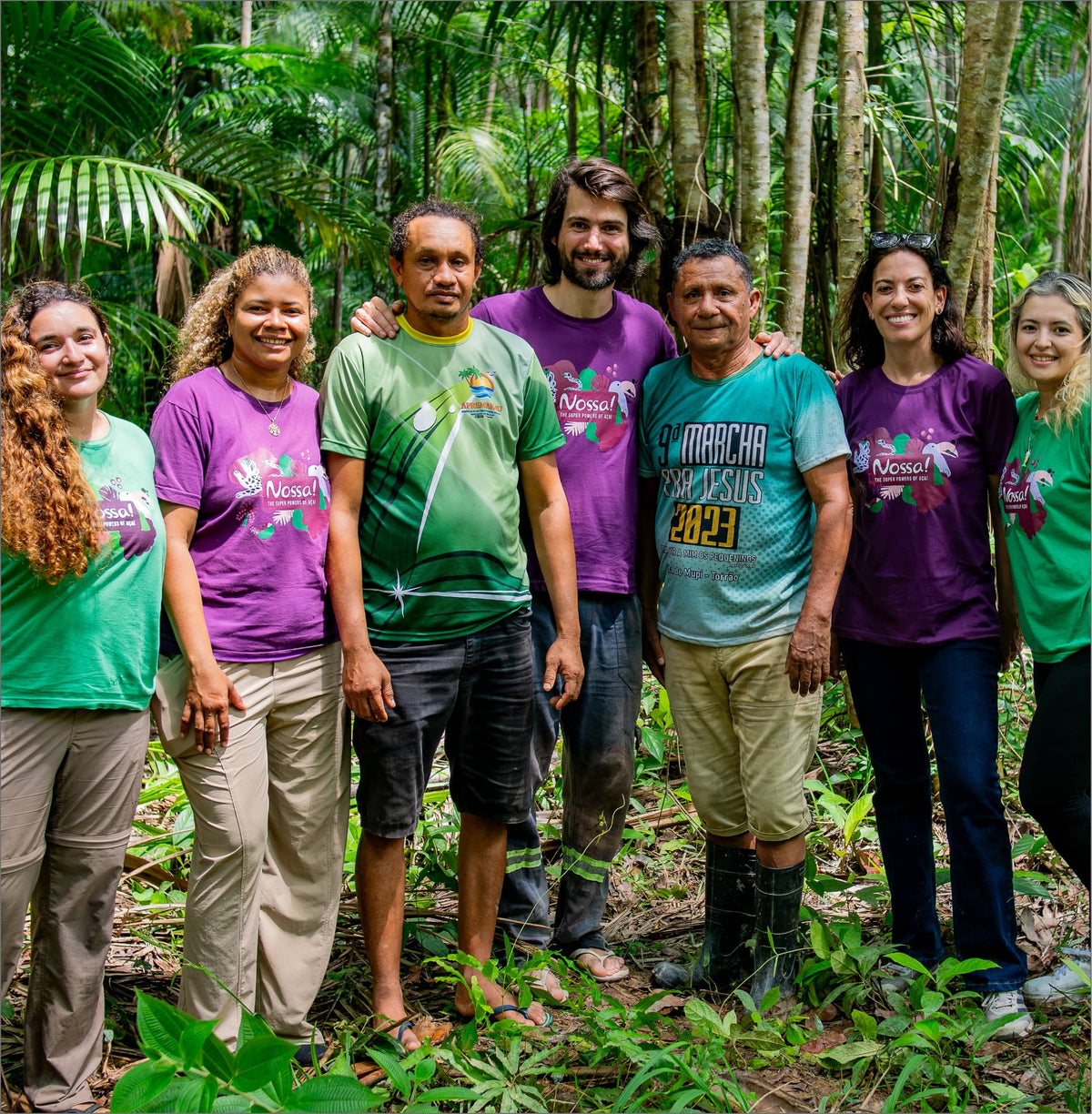
We work alongside local cooperatives in the Amazon to ensure a controlled origin, support producers, and promote forest-friendly practices. These partnerships enable us to build a more transparent supply chain, based on lasting relationships with local stakeholders.
our acai comes from agroforestry harvesting.
A short circuit between sourcing and processing
Process as close as possible to the harvesting areas
Our approach aims to bring the acai processing stages closer to the areas where it is harvested, in the Brazilian Amazon. This proximity helps reduce intermediaries, better preserve the fruit’s nutritional and taste qualities, and strengthen the connection between the raw material and the finished product.
Strengthen quality control
The development of our acai processing facility in Brazil allows us to control every step, from the harvested fruit to the packaged product. This control enhances the traceability of our organic acai, the consistency of our products, and our ability to meet the quality requirements of professionals (restaurants, distributors, and manufacturers).
Build a more integrated and sustainable sector
By gradually bringing more stages of the process in-house, we are building a model of responsible and resilient acai production. This organization allows us to leverage local expertise while continually improving our environmental and social practices.
Our commitments
-

Organic acai
-

Agroforestry farming
-

Low-carbon strategy
-

Traceability requirement


Organic acai
Choosing certified organic acai means ensuring cultivation that respects the soil, ecosystems, and natural cycles, without the use of pesticides or chemical fertilizers.
Beyond meeting organic specifications, our acai comes from Amazonian agroforestry systems that preserve biodiversity and make the most of the forest’s natural resources. This approach supports sustainable production in harmony with the surrounding environment.
Agroforestry farming
Agroforestry cultivation is based on a production model that combines acai palms with other plant species on the same plot of land.
Recognized for its environmental benefits, this approach draws in particular on technical recommendations developed by research organizations such as EMBRAPA and aims to reconcile agricultural productivity, soil preservation, and the maintenance of biodiversity.
Low-carbon strategy
We are developing a progressive low-carbon strategy aimed at reducing the carbon footprint of our operations by addressing the main impact areas of our acai supply chain.
This approach is part of a continuous improvement process. The goal is to move forward step by step, identifying the most effective levers for sustainably reducing our emissions.
Traceability requirement
We are developing a traceability requirement to ensure complete transparency throughout our entire supply chain, from harvesting açaí in the Amazon to the final product distributed in Europe.
By strengthening this transparency, we aim to build a lasting relationship of trust with our customers and partners, while recognizing the work of the producers and cooperatives with whom we collaborate every day.
Our certifications


Our impact
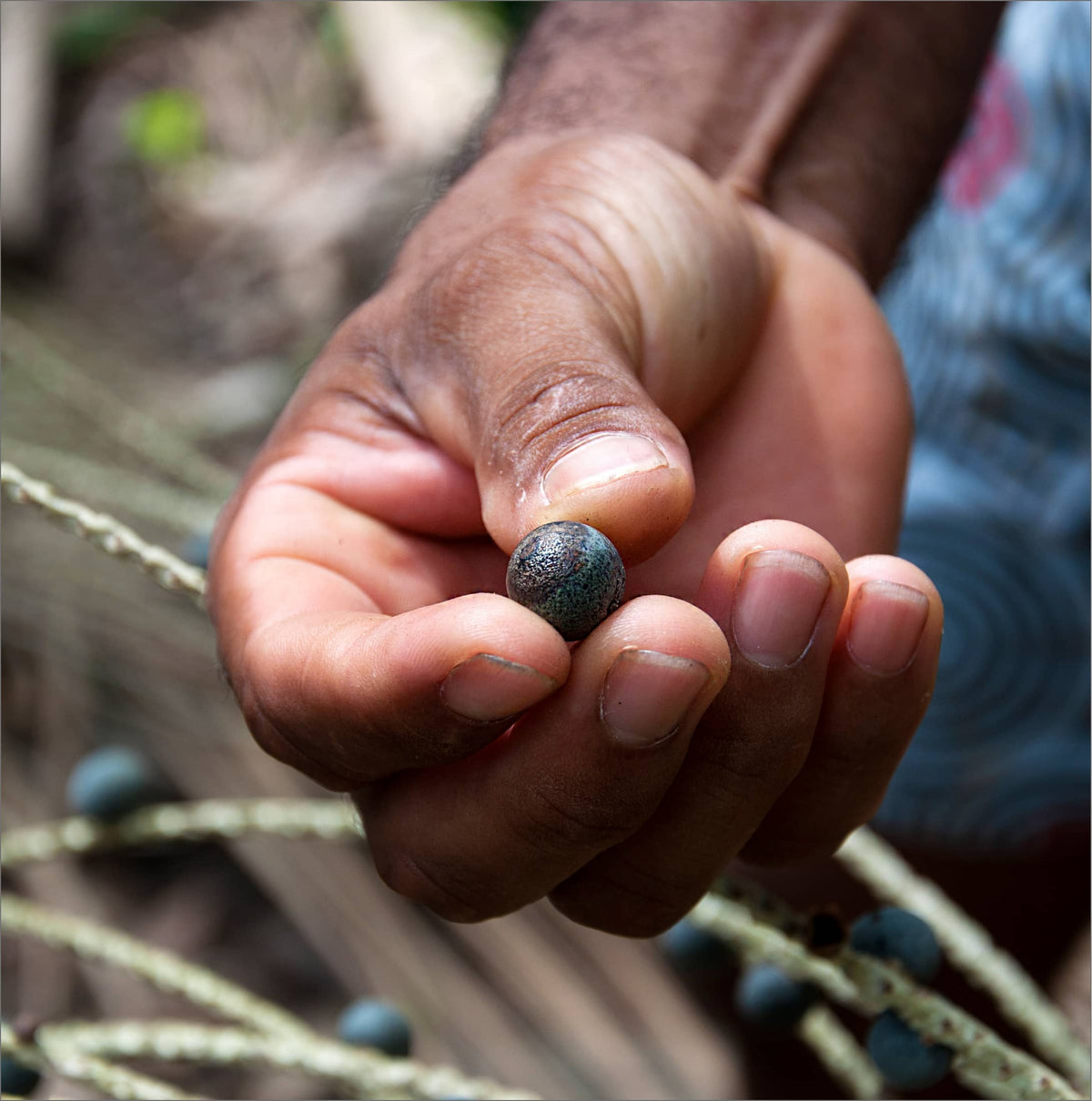
We chose to measure our impact to manage our actions with precision and transparency. Today, our monitoring is based on key indicators that reflect our real progress.
In particular, we track the areas of forest regenerated through the local initiatives we support, the number of partner producers and cooperatives involved in the sector, as well as the concrete projects carried out in the Amazon.

Life cycle analysis
We analyzed the life cycle of our acai to better understand its environmental impact, from harvesting in the Amazon to its distribution in France. This approach gives us a comprehensive view of our product's carbon footprint.
This analysis highlights the main areas of impact of our business. It helps us identify concrete opportunities for improvement.
This is the carbon impact of Nossa açaí according to our life cycle analysis, with impacts mainly concentrated in international transport and the cold chain.


