


Boissons

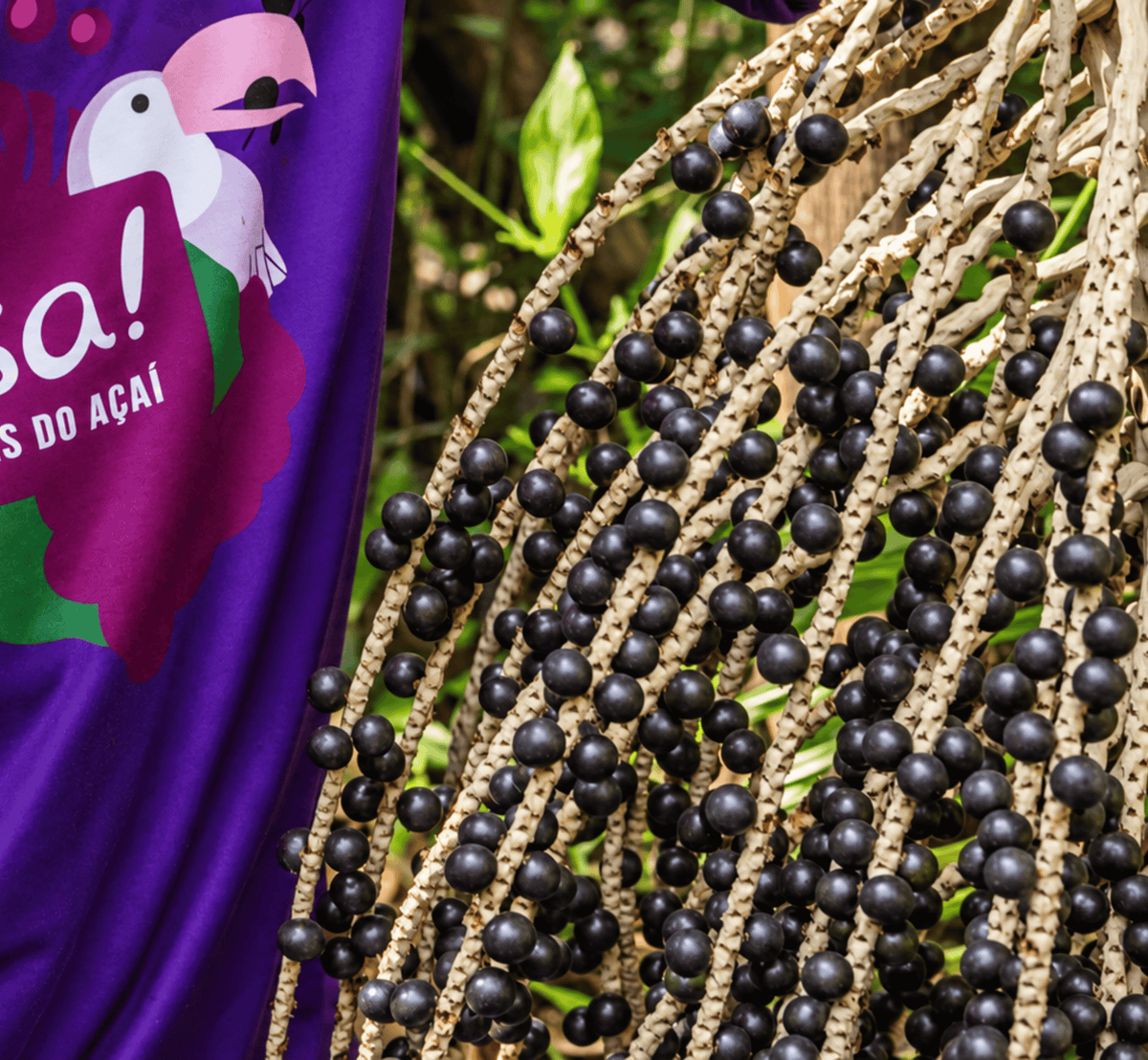
Acai is a small purple berry native to the Brazilian Amazon. Resembling a large blueberry, it grows in clusters at the tops of palm trees and is harvested by hand, mainly between August and December. Since only a thin portion of the fruit is edible, the berries are selected, washed, and then pulped with water to separate the pulp from the pit. This process relies on traditional know-how closely tied to the Amazonian region.

Açaí is a small purple berry native to the Brazilian Amazon. Resembling a large blueberry, it grows in clusters at the tops of palm trees and is hand-picked, mainly between August and December.
Since only a small portion of the fruit is edible (10%), açaí berries are selected, washed, and then pulped with water to separate the pulp from the pit. This process relies on traditional know-how closely linked to the Amazonian region.
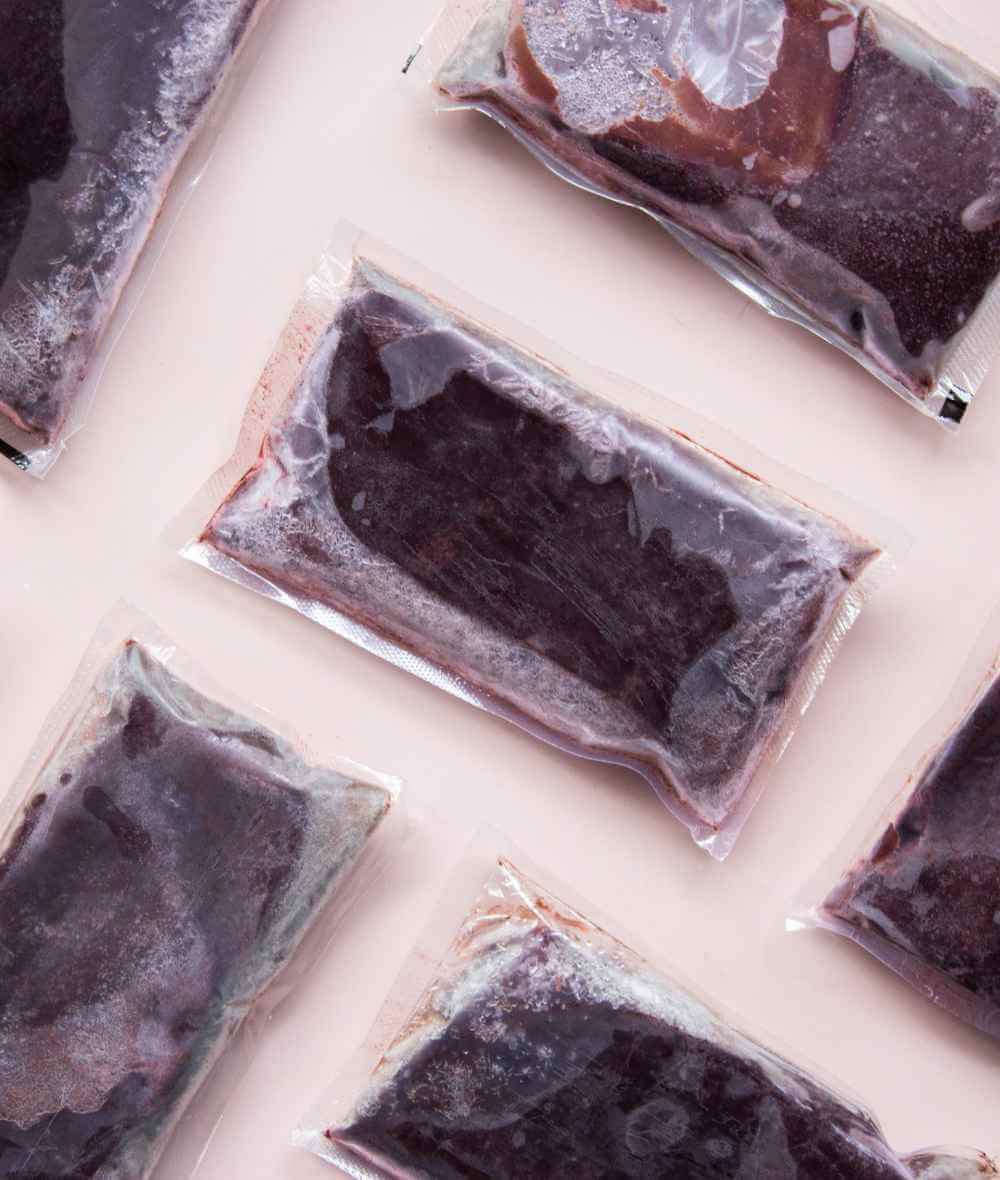
Once pulped, açaí becomes a particularly delicate fruit that deteriorates very quickly. To preserve its color, texture, and nutritional qualities, the pulp is therefore pasteurized and then frozen immediately after extraction, an essential step that ensures consistent quality until use.
Convenient to store and portion, frozen açaí purée is an ideal base for preparing açaí bowls, smoothies, drinks, and desserts. Nossa! offers several solutions suited to professionals: plain purée with no added sugars, a recipe with 10% organic cane sugar, ready-to-serve sorbet for scooping, and preparation for soft-serve ice cream machines.

A sugar-free fruit

High in fiber

Rich in manganese

Rich in unsaturated fats
A sugar-free fruit
Acai is one of the fruits containing very little simple sugar. Our acai purée contains 0.6 g of carbohydrates per 100 g, including 0 g of sugars. Our product therefore meets the European criteria for using the claim “sugar-free,” as defined by Regulation (EC) No 1924/2006.
High in fiber
With 3.33 g of fiber per 100 kcal, acai contributes to daily dietary fiber intake. This fiber contributes to the fruit’s nutritional characteristics and enhances its value as part of a varied and balanced diet. Our product therefore meets the European criteria for using the claim “high in fiber,” as defined by Regulation (EC) No. 1924/2006.
Rich in manganese
Our standard organic acai puree contains 7.3 mg of manganese per 100 g, equivalent to 365% of the reference intake. Manganese contributes to normal energy-yielding metabolism, the maintenance of normal bones, and the protection of cells from oxidative stress.
Rich in unsaturated fats
Unlike most fruits, acai naturally contains a high level of fat, primarily in the form of unsaturated fats. Our standard organic açaí purée contains 4.8 g of unsaturated fat per 100 g. Our product therefore meets the European criteria for using the “rich in” claim, as defined by Regulation (EC) No 1924/2006.
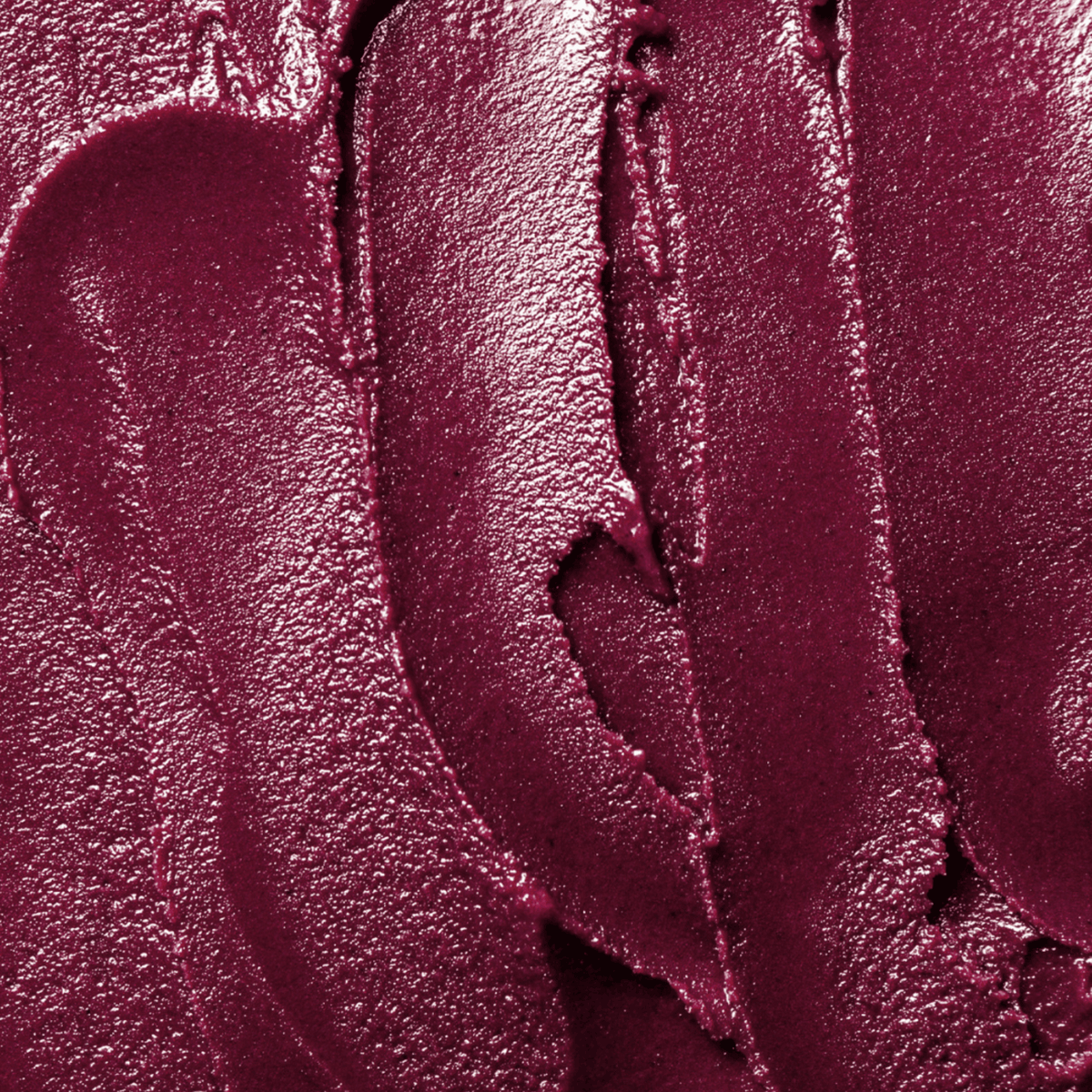
The quality of acai depends above all on the quality of the fruit used. Our organic acai purée is made exclusively from açaí berries, selected and processed according to strict specifications, ensuring consistent quality from one batch to the next.
With no added sugar, flavoring, or unnecessary ingredients, it faithfully preserves the authenticity of the original fruit: its naturally intense color, smooth texture, and distinctive flavor - essential qualities for consistent, controlled professional preparations.
Our acai purée fits easily into many professional applications: acai bowls, smoothies, desserts, beverages, or custom creations.
Complete transparency about what our purée contains. Here is its nutritional composition per 100g.
| Ingredients | Organic açaí purée (açaí, water, acidifier: lime juice) |
|---|---|
| Energy | 69 kcal / 288 kJ |
| Fatty acids | 6.4 g, including 1.6 g of saturated fat |
| Carbohydrates | 0.6g including sugars 0g |
| Fibres | 2,3g |
| Proteins | 1,1g |
| Salt | 0g |
| Manganese | 7,3mg/100g (365%) |
Please note: acai is naturally rich in manganese, a trace element that contributes to the normal formation of connective tissues and energy metabolism (EU reference nutritional values).


